Upper & Lower Blepharoplasty
Eyelid Surgery for a Refreshed, Youthful Appearance
The eyes are often the first feature to show signs of aging. Drooping upper eyelids, under-eye bags, and excess skin can create a tired, heavy, or aged appearance—even when you feel well-rested.
Upper and lower blepharoplasty, also known as eyelid surgery, can restore a brighter, more youthful look while preserving your natural expression. At Dr. Catherina Greenberg’s practice, eyelid surgery is performed with precision and restraint to achieve natural, long-lasting results.
What Is Blepharoplasty?
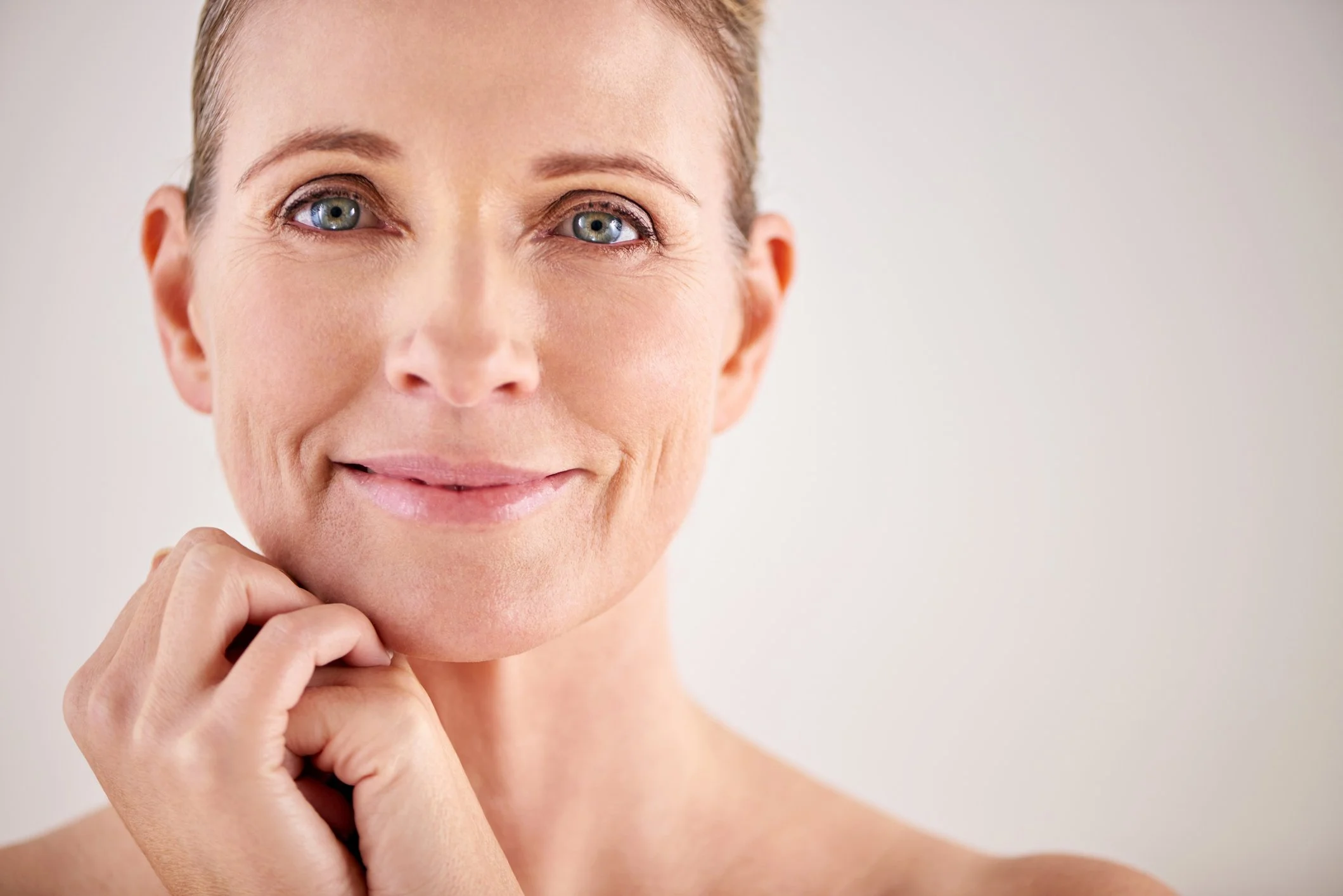
Blepharoplasty is a surgical procedure that rejuvenates the eyes by removing or repositioning excess skin, muscle, and fat of the upper and/or lower eyelids. The procedure can be both cosmetic and functional, improving appearance and, in some cases, vision.
Upper Blepharoplasty
Upper eyelid surgery addresses:
Drooping or sagging upper eyelids
Excess eyelid skin causing heaviness
Obstruction of peripheral vision
A tired or aged appearance
By removing excess skin and refining eyelid contour, upper blepharoplasty helps the eyes appear more open, alert, and youthful.
Lower Blepharoplasty
Lower eyelid surgery focuses on:
Under-eye bags or puffiness
Hollowing or volume imbalance
Loose or crepey lower eyelid skin
A fatigued or aged appearance
Dr. Greenberg emphasizes fat repositioning and skin refinement, rather than aggressive fat removal, to avoid a hollowed or overdone look.
Upper vs. Lower Blepharoplasty: Which Do I Need?
Some patients benefit from upper eyelid surgery alone, others from lower eyelid surgery, and many from a combination approach. During consultation, Dr. Greenberg evaluates:
Eyelid anatomy
Brow position
Facial balance
Functional concerns
This ensures a personalized plan that delivers the most natural result.
Dr. Greenberg’s Approach to Eyelid Surgery
As a board-trained facial plastic surgeon, Dr. Greenberg performs surgery exclusively on the face, allowing for exceptional expertise in eyelid anatomy and facial harmony.
Her approach prioritizes:
Natural eyelid shape and contour
Preservation of eyelid support
Avoidance of a hollowed or pulled look
Long-term, age-appropriate results
FAQs
-
You may be a good candidate if you:
Have drooping or heavy upper eyelids
Notice under-eye bags or puffiness
Look tired despite adequate rest
Have good overall health and realistic expectations
A personalized consultation with Dr. Greenberg is the best way to determine whether upper blepharoplasty, lower blepharoplasty, or a combination approach is right for you.
-
No. Dr. Greenberg’s philosophy is to help patients look refreshed and well-rested, not different. Eyelid surgery should enhance your natural appearance without changing eye shape or facial expression.
-
Many patients have eyelid heaviness caused by brow descent rather than excess eyelid skin. Dr. Greenberg carefully evaluates brow position and eyelid anatomy to ensure the correct procedure—or combination of procedures—is recommended for optimal results.
-
Incisions are placed in natural eyelid creases or along the lash line, making scars typically very difficult to see once healed. In most patients, scars fade significantly over time.
-
Most patients return to work within 7–10 days
Bruising and swelling improve over 1–2 weeks
Final results continue to refine over several months
Dr. Greenberg provides detailed postoperative instructions to ensure a smooth recovery.
-
Blepharoplasty results are long-lasting. While the face continues to age naturally, eyelid surgery resets the clock and helps patients look refreshed for many years.
-
Yes. In patients with significant upper eyelid drooping, upper blepharoplasty can improve peripheral vision.
-
Yes. Many patients choose to combine upper and lower eyelid surgery to achieve a balanced, harmonious result with one recovery period.
-
Under-eye fillers can temporarily camouflage hollowing but do not address true eyelid laxity or fat herniation. Blepharoplasty provides a structural, long-term solution, especially for under-eye bags and excess skin.